


Wizardry worlds have deeply shaped culture by blending ancient myths with modern storytelling. These narratives spark your imagination, featuring powerful figures, moral dilemmas, and magical quests. You’ll find elements like the wise mentor and the chosen hero echoing through tales today. They also foster a vibrant community where fans bond over characters and ideas. Plus, their influence extends into movies and merchandise, creating cultural icons. There’s plenty more to uncover about their impact and significance.
The Origins of Wizardry Worlds in Literature and Their Impact
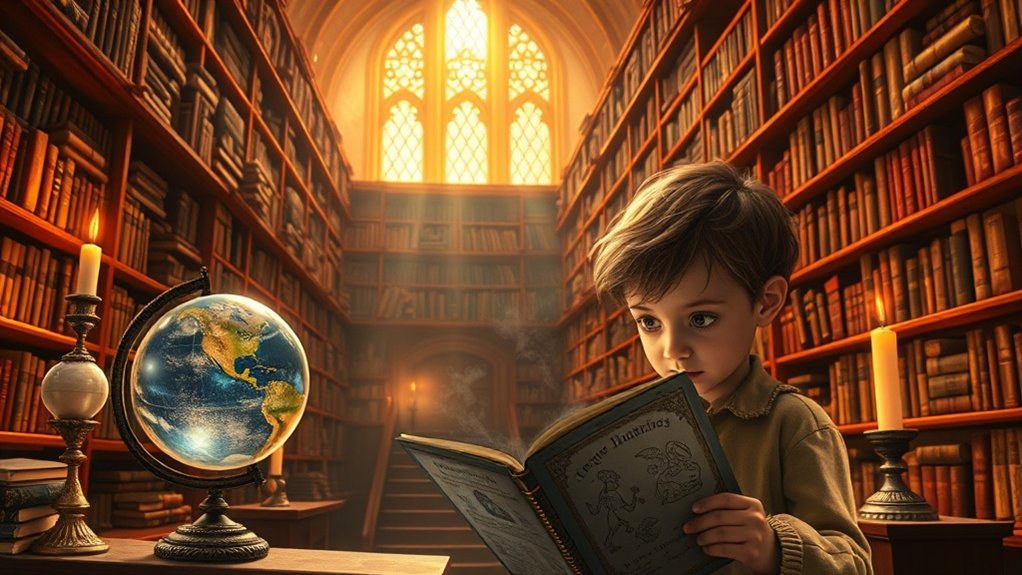
When you explore the origins of wizardry worlds in literature, you’ll discover a rich tapestry woven from ancient myths and folklore. These stories often feature powerful figures, like shamans and sorcerers, who bend the laws of nature to their will. You’ll see how cultures used these narratives to explain the unexplainable, shaping moral lessons and societal values. From the legendary Merlin to the enchanting tales of Eastern wizards, each character reflects the fears, hopes, and dreams of their time. As you investigate deeper, you’ll find that these early depictions laid the groundwork for modern interpretations, influencing not just literature but also art and entertainment. In understanding their origins, you grasp the profound cultural impact of these wizardry worlds.
How Wizardry Worlds Shape Modern Fantasy Narratives
The legacy of wizardry universes continues to inspire modern fantasy narratives, shaping how stories unfold in literature, film, and gaming. You’ll notice that many contemporary tales draw upon the rich traditions of magical domains, featuring diverse characters and intricate plots. Elements like quests, magical schools, and epic battles are now staples, allowing you to immerse yourself in these fantastical settings. The moral complexities and character development you encounter often echo the lessons found in classic wizardry tales. As you explore these narratives, you’ll see how they challenge conventions and explore themes of friendship, power, and sacrifice. This evolution keeps you engaged, pushing the boundaries of imagination while honoring the foundational elements of wizardry worlds.
Cultural Symbols and Archetypes in Wizardry Stories
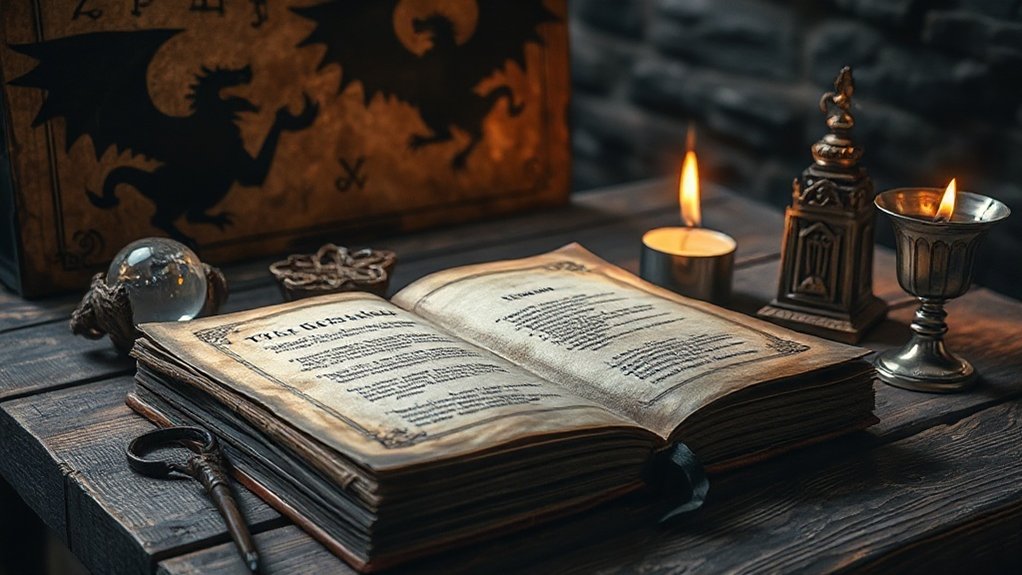
Cultural symbols and archetypes in wizardry stories serve as powerful tools that resonate with audiences on multiple levels. These elements not only enhance the narrative but also connect deeply with your own experiences and values. Here are four key symbols and archetypes you might encounter:
- The Mentor: Often an experienced wizard, this character embodies wisdom and guides the hero.
- The Chosen One: A protagonist destined for greatness, representing hope and potential.
- Magical Artifacts: Items like wands or potions symbolize power and transformation.
- Good vs. Evil: This archetype highlights moral dilemmas, reflecting your own struggles in life.
These symbols enrich the story, making it relatable and compelling to you and countless others.
How Wizardry Worlds Build Community Among Fans
As you plunge into the enchanting territories of wizardry, you’ll find that these worlds foster a vibrant sense of community among fans. Whether you’re attending conventions, joining online forums, or participating in fan clubs, you connect with others who share your passion. These spaces allow you to discuss theories, share fan art, and even collaborate on projects like fan fiction.
You’ll bond over favorite characters, debate magical spells, and celebrate significant events together, creating lasting friendships. The collective experience of exploring lore deepens your connection to the story and to each other. When you share your interpretations and experiences, you become part of a larger narrative, one that thrives on creativity, collaboration, and a shared love for the magic within these territories.
The Role of Wizardry Worlds in Movies and Merchandise
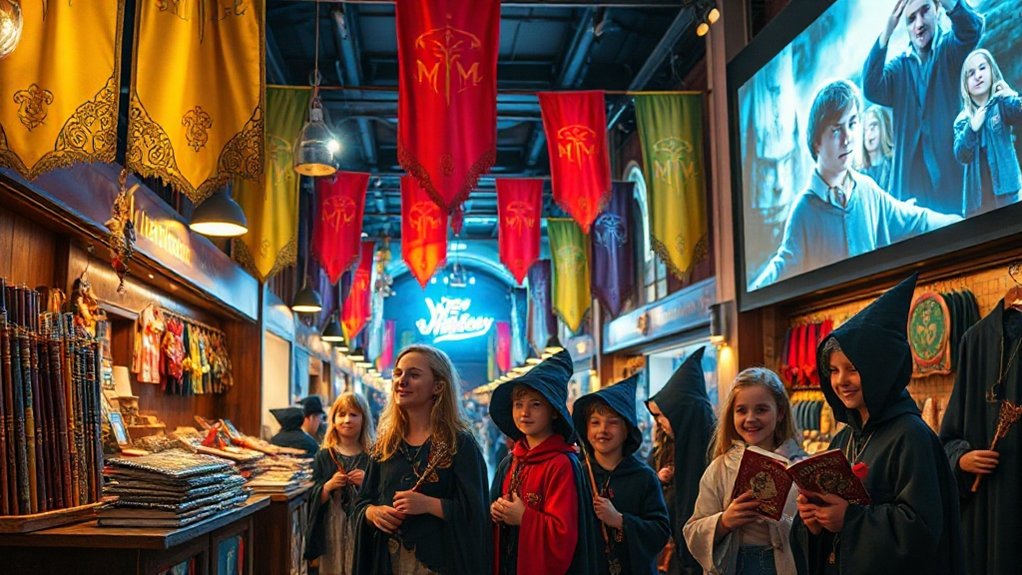
While diving into the enchanting domains of wizardry, you’ll quickly notice how these worlds shape the landscape of movies and merchandise. They captivate audiences and drive the creation of vast commercial empires. Here’s how they influence both mediums:
- Box Office Success: Wizard-themed films often dominate ticket sales, drawing fans of all ages.
- Merchandising Magic: From wands to apparel, these worlds inspire a wide range of products that fans enthusiastically buy.
- Franchise Expansion: Successful movies lead to sequels, spin-offs, and even theme parks, creating immersive experiences.
- Cultural Icons: Characters and symbols from these worlds become cultural touchstones, influencing fashion, art, and even language.
These elements together showcase the profound impact wizardry worlds have on modern entertainment and consumer culture.
What We Learn From Wizardry Worlds: Values and Morality
Wizardry worlds aren’t just about enchanting stories and merchandise; they also impart valuable lessons about morality and values. When you immerse yourself in these magical domains, you discover the importance of friendship, bravery, and sacrifice. Characters often face moral dilemmas, teaching you that choices matter. You learn that power can corrupt, urging you to choose empathy over ambition. The struggle between good and evil serves as a reminder that even the smallest actions can lead to significant consequences. As you witness heroes overcoming challenges, you realize resilience is key. Ultimately, these stories encourage you to reflect on your own values, inspiring you to be a better person in your everyday life. Embrace these lessons, and let them shape your moral compass.
Frequently Asked Questions
How Do Wizardry Worlds Influence Real-World Belief Systems?
Wizardry worlds shape your beliefs by introducing concepts of magic and morality. They challenge your understanding of reality, inspire imagination, and foster community through shared experiences, ultimately influencing how you perceive possibilities in everyday life.
What Are the Psychological Effects of Engaging With Wizardry Narratives?
Engaging with wizardry narratives boosts creativity by 25%, enhancing problem-solving skills. You’ll find yourself immersed in new perspectives, fostering empathy and resilience, while also providing a temporary escape from reality, enriching your emotional landscape.
How Do Different Cultures Interpret Wizardry Themes?
Different cultures interpret wizardry themes through their unique myths and values. You’ll find that folklore shapes magical narratives, influencing how societies perceive power, morality, and the supernatural, making each interpretation distinct and reflective of cultural identity.
Are There Any Negative Stereotypes Associated With Wizardry Worlds?
Yes, there are negative stereotypes linked to wizardry worlds. You might see portrayals of wizards as sinister or overly powerful, reinforcing ideas of elitism or danger. These depictions can overshadow the more positive aspects of magic and community.
How Can Wizardry Worlds Inspire Real-Life Creativity and Innovation?
Wizardry domains spark your imagination like a lightning bolt. They inspire you to think outside the box, blending fantasy with reality. You’ll find innovative solutions and creative ideas by exploring their enchanting territories and limitless possibilities.
At a Glance
In exploring the vibrant domains of wizardry, you might wonder if these magical worlds reflect our deepest desires for power, belonging, and adventure. They certainly do, offering not just escapism but also valuable life lessons. By embracing these narratives, you connect with a community that shares your passions and ideals. So, next time you plunge into a wizarding tale, consider how it shapes your understanding of morality and friendship in our own world.


