


Crafting compelling villains for superheroes is all about strong motivations and unique traits. Give your villain a complex backstory that shapes their actions, like a tragic past or pivotal losses. Make sure they challenge your hero both physically and mentally, amplifying the stakes. Balance their power by ensuring they have distinct strengths and weaknesses that complement your hero’s. By creating this dynamic, you can make your story a gripping battle of wills. Discover more tips to enhance your villain’s impact.
Why a Great Villain Is Essential

A great villain isn’t just a hurdle for your hero; they’re essential for driving the story forward. Without a formidable antagonist, your hero lacks purpose and motivation. The villain’s actions create conflict, pushing your hero to grow, adapt, and confront their own weaknesses. They challenge your hero’s beliefs, forcing them to make tough choices that reveal their true character.
Think about it: a compelling villain amplifies the stakes, keeping readers engaged and invested in the outcome. Their goals often mirror or oppose those of your hero, creating a dynamic tension that fuels the narrative. By crafting a great villain, you elevate your story, transforming it from a simple journey into a gripping battle of wills that captures your audience’s imagination.
Key Traits of Memorable Villains
Great villains share several key traits that make them unforgettable. First, they possess a strong motivation that drives their actions, whether it’s revenge, power, or a twisted sense of justice. You can’t help but feel a mix of fear and fascination when their goals are clear and compelling. Second, memorable villains often have a distinct personality, showcasing charisma, intelligence, or even humor that draws you in. They challenge your hero not just physically but mentally, forcing them to confront their own weaknesses. Additionally, complexity adds depth; a villain who grapples with inner conflict can resonate more than one who’s purely evil. Ultimately, they often leave a lasting impact, creating a sense of unease that lingers long after their defeat.
How to Craft a Resonant Backstory
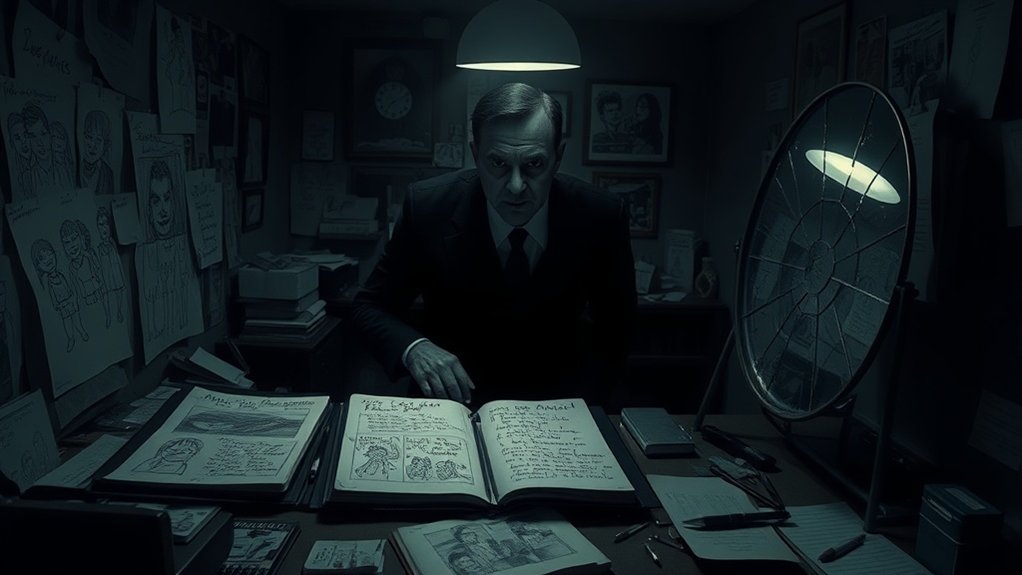
When creating a compelling villain, consider how their backstory shapes their motivations and actions. Start by exploring their childhood: what pivotal events defined them? Maybe they faced hardship or betrayal, sparking a desire for revenge or power. Next, think about their relationships. Did they lose someone special, or were they abandoned? These connections can create depth and relatability. Incorporate moments of failure or success to illustrate their journey; these experiences can lead to their current worldview. Finally, guarantee their backstory aligns with their goals. A villain driven by a tragic past feels more authentic. By weaving these elements together, you’ll craft a resonant backstory that not only explains their actions but also captivates your audience.
What Drives Your Villain’s Actions?
Understanding what drives your villain’s actions is essential for creating a believable antagonist. It’s not enough to make them evil for the sake of being evil. Dive deep into their motivations—fear, love, revenge, or a twisted sense of justice can all fuel their choices. Consider their past experiences and how those shape their worldview. Perhaps they’ve faced betrayal, leading them to distrust everyone, or maybe they’re seeking power to protect those they love. Whatever the motivation, make sure it resonates with the audience. This connection makes their actions compelling and relatable. When readers understand why your villain acts the way they do, they’ll be more invested in the conflict, creating a richer story overall.
Balancing Power: Hero vs. Villain

While crafting your villain, it’s essential to reflect on how their power balances against that of your hero. You want to create a dynamic tension that keeps readers engaged. If your hero is incredibly strong, consider giving the villain a cunning intellect or a unique ability that levels the playing field. This contrast can lead to thrilling confrontations, where strategy trumps sheer strength.
Think about how their abilities complement or counteract each other. A villain with control over shadows can challenge a light-based hero, pushing them to adapt and innovate. Ultimately, your goal is to guarantee that both characters have strengths and weaknesses, making each encounter unpredictable and exciting. A well-balanced conflict elevates the stakes and deepens the narrative.
Unique Archetypes for Memorable Villains
Creating a compelling villain requires more than just a balance of power; it’s about crafting unique archetypes that resonate with readers. Think about the Tragic Villain, whose backstory evokes sympathy, making you question their choices. The Manipulator thrives on psychological games, pulling strings from the shadows and challenging your hero’s mind. Then there’s the Idealist, who genuinely believes their extreme actions serve a greater good, blurring moral lines. Each archetype adds depth, allowing you to explore themes of morality, ambition, and loss. By integrating these distinct characters into your narrative, you’ll create villains that linger in readers’ minds long after the story ends. Remember, a memorable villain isn’t just a foe; they’re a reflection of your hero’s journey.
Frequently Asked Questions
How Do I Avoid Clichés When Creating a Villain?
To avoid clichés when creating a villain, dig deep into their backstory, motivations, and flaws. Make them relatable and complex, showing their humanity. Challenge stereotypes and consider unique perspectives to keep your villain fresh and engaging.
Can a Villain Be Sympathetic Without Compromising Their Threat?
Yes, a villain can be sympathetic while remaining a threat. You can create depth by exploring their backstory, motivations, and vulnerabilities, ensuring they evoke empathy without losing their menacing qualities. Balance is key.
What Role Does Humor Play in Villain Characterization?
Humor can humanize villains, making them more relatable and engaging. It adds depth to their character, allowing you to explore their motivations while providing comic relief, which can enhance the overall narrative tension and balance.
How Can I Effectively Reveal a Villain’s Plan?
You can effectively disclose a villain’s plan by dropping tantalizing hints, weaving in dramatic monologues, or showcasing clever traps. It’s like revealing a masterful magic trick, leaving your audience gasping and craving more.
Should a Villain Evolve Throughout the Story?
Absolutely, a villain should evolve throughout the story. This growth adds depth, makes them more relatable, and keeps readers guessing. You’ll engage your audience better by showing their motivations and struggles as the plot unfolds.
At a Glance
In crafting compelling villains, remember that a well-developed antagonist can elevate your superhero story. Research shows that 76% of audiences find a villain’s backstory essential to their engagement with a narrative. By focusing on unique traits and motivations, you not only create a more dynamic conflict but also allow your hero to shine brighter. So, invest time in your villain; they could be the key to making your story unforgettable!


