

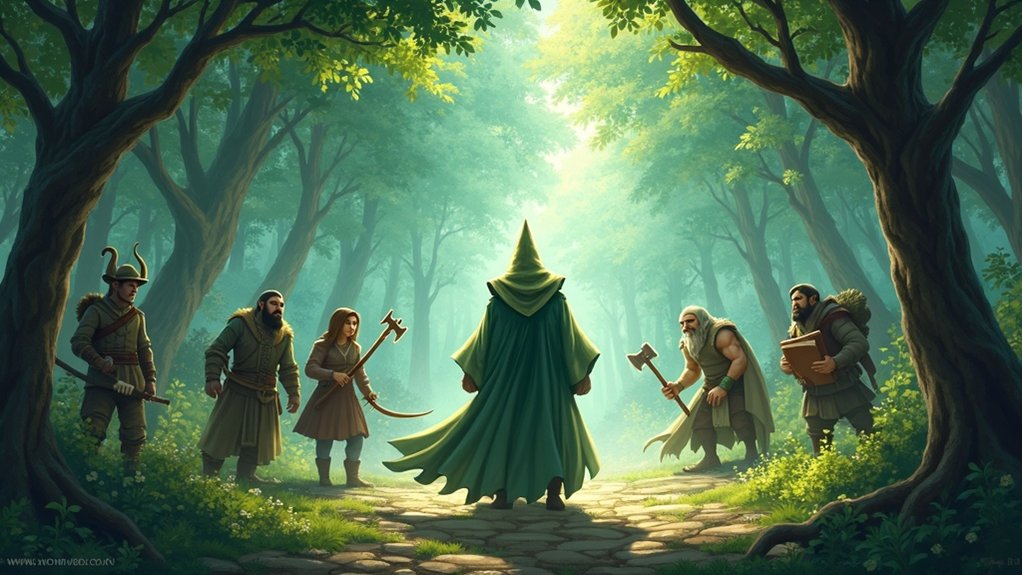
Side characters are crucial in wizardry tales because they bring emotional depth and unique perspectives to the story. They support the hero, introduce humor, and help highlight key themes. These characters often drive subplots that enhance the main narrative and challenge the protagonist to grow. By showcasing various magical cultures and adding rich backstories, side characters make the world feel alive. You’ll discover even more about their significant roles as you explore further.
Why Side Characters Matter in Wizardry Stories

While you might think the main heroes are the stars of wizardry tales, side characters play an important role in enriching the story. They’re often the emotional backbone, providing support, humor, or contrast to the hero’s journey. Without them, the narrative would feel flat and one-dimensional. These characters can introduce unique perspectives and complexities, helping you connect more deeply with the plot.
Moreover, side characters often drive significant subplots that enhance the main storyline, revealing hidden motivations and backstories. They can challenge the hero, forcing growth and development. In many cases, their sacrifices and choices resonate with you, leaving a lasting impact. Ultimately, side characters aren’t just extras; they’re essential to crafting a compelling, immersive wizardry tale.
Enhancing World-Building With Side Characters
Side characters are essential for enriching the world of wizardry tales, adding depth and texture that captivate readers. They help you immerse yourself in the magical domain by introducing unique elements that enhance the story’s backdrop. Here are three ways they achieve this:
- Cultural Diversity: Side characters represent various magical cultures, showcasing their customs, beliefs, and conflicts, which make the world feel alive.
- Lore and History: They often share crucial lore, revealing the history of the magical world, its heroes, and its villains, deepening your understanding of the setting.
- Conflict and Tension: Their interactions and motivations create subplots that enrich the main narrative, adding layers of intrigue and excitement to the overall story.
These characters truly make the wizarding world feel expansive and engaging.
How Side Characters Impact the Protagonist’s Journey?

As the protagonist navigates their magical journey, side characters play essential roles that shape their growth and decisions. They offer guidance, friendship, and sometimes even conflict, pushing you to confront your fears and weaknesses. A mentor might introduce new spells or philosophies, while a rival could spark your determination to excel. You’ll find that side characters often reflect aspects of yourself, helping you understand your motivations and desires more deeply. Their unique perspectives challenge you to rethink your choices, leading to personal growth. Whether through laughter or hardship, these characters enrich your narrative, making your journey more dynamic and meaningful. Ultimately, their influence is significant, adding layers to your experience as you endeavor to fulfill your destiny.
Tips for Creating Relatable Side Characters
To create relatable side characters, start by giving them clear motivations and flaws that reflect real human experiences. When readers see their own struggles and desires mirrored in your characters, it deepens their connection. Here are three tips to help you:
- Develop Backstories: Give your side characters histories that inform their choices. A past filled with challenges makes them more relatable.
- Show Vulnerability: Let them express fears or insecurities. This vulnerability can resonate with readers and evoke empathy.
- Create Distinct Voices: Make sure each side character has a unique way of speaking or thinking. This individuality helps them stand out and feel real.
Memorable Examples of Side Characters in Wizardry Tales

While the protagonists often steal the spotlight in wizardry tales, memorable side characters can leave just as lasting an impression. Think of Hermione Granger from “Harry Potter.” Her intelligence and loyalty elevate the story, showcasing how a side character can be vital to the hero’s journey. Then there’s Samwise Gamgee from “The Lord of the Rings.” His unwavering support and bravery highlight the theme of friendship, making the quest feel more personal. In “The Magicians,” Eliot Waugh adds humor and depth, reminding you that not all magic needs to be serious. These characters enrich the narrative, providing balance and often delivering essential insights, making your reading experience all the more rewarding.
Frequently Asked Questions
How Do Side Characters Influence the Main Plot Twists?
Side characters drive unexpected plot twists by revealing hidden truths, challenging the protagonist, or introducing new conflicts. Their choices and actions shape the main character’s journey, ultimately leading to surprising revelations and deeper narrative complexity.
What Role Do Side Characters Play in Comic Relief?
Side characters provide comic relief by injecting humor and lightness into tense moments, helping you connect with the story. Their quirky personalities and witty remarks break tension, making the journey more enjoyable and balanced.
Can Side Characters Overshadow the Protagonist?
Yes, side characters can overshadow the protagonist. When they’re dynamic, relatable, or humorous, they capture attention. Their strengths can enhance the story, but balance is key so the main character still shines through.
How Do Cultural Backgrounds Affect Side Character Development?
Cultural backgrounds shape side characters’ beliefs, motivations, and interactions. They enrich the story, offering diverse perspectives and depth. By exploring these backgrounds, you create more relatable, engaging characters that enhance your narrative’s overall impact.
What Are Common Pitfalls in Creating Side Characters?
Common pitfalls in creating side characters include making them one-dimensional, lacking unique traits, or relying too heavily on stereotypes. You should guarantee they have distinct personalities and motivations to enrich your story and engage readers.
At a Glance
In wizardry tales, side characters are more than just extras; they enrich the narrative and deepen your connection to the protagonist. They provide essential support, challenge beliefs, and often reveal hidden strengths within the main character. As you craft your own stories, consider this: wouldn’t the journey feel incomplete without those who stand beside the hero? Embracing the depth and diversity of side characters can elevate your narrative, making it truly magical.


