

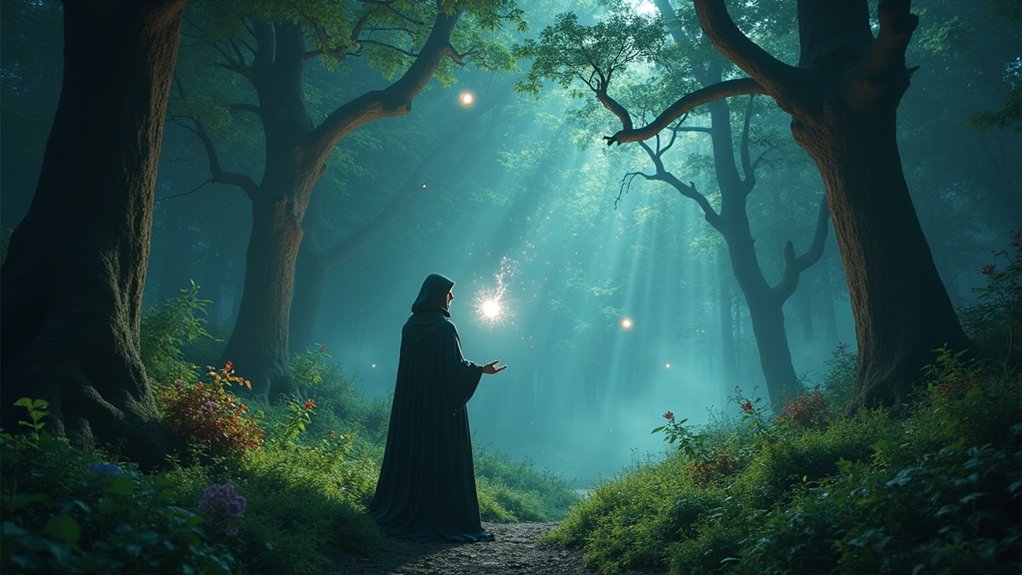
In fantasy narratives, powers are essential because they define characters and shape their journeys. They create conflict and drive tension, revealing deeper moral dilemmas and challenges. You see characters confront their strengths and weaknesses, testing their values and integrity. Powers also influence the world around them, creating unique societal structures and cultural beliefs. By exploring the responsibilities that come with such abilities, stories become richer and more compelling. You’ll discover even more about this fascinating dynamic as you move forward.
Understanding Powers in Fantasy Narratives

In fantasy narratives, powers often serve as the backbone of the story, shaping characters and their journeys. You’ll find that these abilities can range from magical spells to extraordinary physical feats, each contributing to the world’s unique fabric. Powers aren’t just tools; they reveal deeper themes and moral dilemmas. When characters wield immense power, they often face choices that test their values and integrity. You might notice how these abilities affect relationships, driving both conflict and camaraderie. As you investigate various tales, pay attention to how powers symbolize personal growth or societal issues, making them essential for understanding the world’s dynamics. Ultimately, powers enrich the narrative, inviting you to explore the implications of strength and responsibility.
The Role of Powers in Character Development
Powers shape not just the worlds in which characters live but also the individuals they become. When you explore a character’s abilities, you uncover their strengths and weaknesses, revealing deeper layers of their personality. These powers often challenge them, pushing them to confront their fears and evolve. You see them struggle with the responsibility that comes with great power, leading to growth and self-discovery. As they learn to harness their abilities, you witness pivotal moments that define their journey. Whether they embrace their powers or reject them, each choice drives their character arc, making them relatable and complex. Ultimately, powers serve as a catalyst for transformation, shaping who they are and who they aspire to be.
How Powers Drive Conflict and Tension

Though they can be sources of strength, abilities often ignite conflict and tension within fantasy narratives. When you wield extraordinary powers, you create a ripple effect, challenging norms and pitting characters against one another. Your abilities can attract envy, fear, or desire, driving others to act against you. Conflicts arise not only from the struggle between good and evil but also from differing motivations and ethical dilemmas surrounding those powers. As you navigate alliances and rivalries, the stakes escalate, pushing characters to make difficult choices. The decisions you face, influenced by your powers, heighten the tension, making every confrontation unpredictable. Ultimately, it’s this interplay of abilities that fuels the narrative, ensuring that conflict remains at the heart of the story.
Powers and World-Building
When crafting a fantasy world, the presence of unique powers shapes its very foundation. These abilities influence everything from societal structure to daily life. Consider how magic can create hierarchies; powerful sorcerers might rule over common folk, dictating laws and traditions. You’ll find that the types of powers available can dictate the world’s technology, economy, and even its geography. For instance, if fire magic is prevalent, you might see scorched landscapes or cities built to withstand flames. In addition, powers can foster cultural beliefs, rituals, and even conflicts, enriching your world. By weaving these elements together, you not only enhance immersion but also create a dynamic environment where characters can thrive or struggle, making your narrative all the more compelling.
How Powers Explore Moral Dilemmas in Fantasy

In fantasy narratives, the use of unique abilities often thrusts characters into moral quandaries that challenge their beliefs and values. You’ll find these dilemmas richly layered, forcing you to reflect on the consequences of power. Characters grapple with decisions that can lead to:
- The temptation to control: Using abilities to manipulate others for personal gain.
- Sacrificing the greater good: Choosing between saving a loved one or a community.
- The burden of secrecy: Keeping abilities hidden to protect others, but risking isolation.
- Revenge vs. forgiveness: The struggle between using powers for vengeance or choosing a path of mercy.
These choices not only define characters but also resonate with your own understanding of morality in an increasingly complex world.
Why Limitations Make Powers More Interesting
Limitations often enhance the intrigue of powers in fantasy narratives, as they force characters to navigate challenges that reveal their true nature. When you see a character struggling with their abilities, it adds depth and relatability. You’re not just watching someone wield immense power; you’re witnessing their growth and resilience. These constraints can lead to creative problem-solving, as characters devise clever ways to overcome obstacles. They also create tension, raising stakes and keeping you engaged. You start to question how far a character will go to achieve their goals. Fundamentally, limitations transform powers from mere tools into catalysts for character development, making the journey far more compelling and memorable.
The Appeal of Powers in Fantasy Stories

Powers in fantasy stories captivate audiences because they offer an escape from reality, allowing you to explore worlds where the impossible becomes possible. You get to experience thrilling adventures and witness extraordinary feats, which adds to the allure. Imagine:
- Casting spells that bend the laws of nature.
- Flying through breathtaking skies, feeling the rush of the wind.
- Transforming into mythical creatures, embracing newfound abilities.
- Wielding elemental forces, releasing fire, water, or lightning with a flick of your wrist.
These powers don’t just entertain; they let you connect with your deepest desires and explore themes of heroism, struggle, and identity. Ultimately, they create a sense of wonder, making every story a journey into the extraordinary.
Frequently Asked Questions
How Do Authors Choose Specific Powers for Their Characters?
Authors choose specific powers for their characters by considering the plot’s needs, character development, and thematic elements. They often blend unique abilities with personal backstories, ensuring each power enhances the overall narrative and character growth.
Can Powers Symbolize Real-World Issues in Fantasy?
Think of a phoenix rising from ashes, symbolizing resilience. Powers can reflect real-world issues—like oppression or identity—allowing you to explore complex themes through characters’ struggles, making the narrative both relatable and transformative for readers.
Are There Any Common Tropes Associated With Powers?
Yes, you’ll find common tropes like the chosen one, elemental manipulation, and dark powers. These often reflect personal growth, struggles, or moral dilemmas, adding depth to characters and enhancing the narrative’s overall emotional impact.
How Do Powers Affect Reader Engagement and Immersion?
Powers are like a key opening a fantastical domain. They draw you in, creating intrigue and emotional connections with characters. You find yourself immersed in their struggles, dreams, and victories, enhancing your overall reading experience.
What Role Do Powers Play in Fantasy Adaptations or Retellings?
Powers in fantasy adaptations deepen your connection to characters, adding layers to their journeys. They create stakes and conflicts, making familiar stories feel fresh and engaging, while inviting you to explore new interpretations and possibilities.
At a Glance
In fantasy narratives, powers are like the vibrant threads that weave complex tapestries of character and conflict. They deepen character arcs, fuel tension, and enrich world-building, while also inviting readers to ponder moral dilemmas. By incorporating limitations, these powers become even more intriguing, reminding us that true strength often lies in vulnerability. Ultimately, it’s this interplay of powers that captivates audiences, drawing them into fantastical domains where anything feels possible.


